Furniture Design, Agile Workspace, Circular Economy, Executive Chairs, Home Furniture, Inclusive Workspace, Sustainable Office
4 Ways Your Chair’s Wheels Reveal Its Quality and Origin

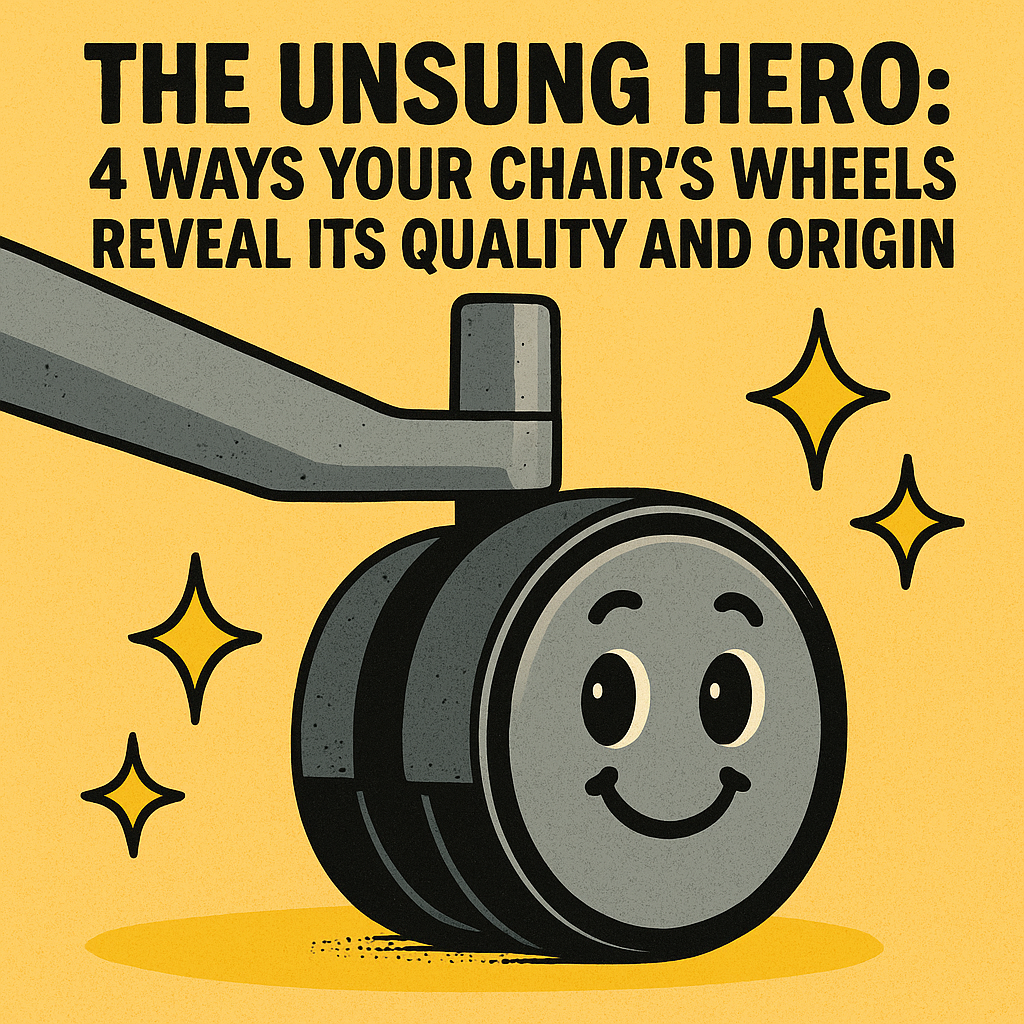
The Unsung Hero: 4 Ways Your Chair’s Wheels Reveal Its Quality and Origin
Right, let’s be honest. When you’re shelling out for a proper, ergonomic office chair—the kind that makes your spine sing and stops you feeling like a crumpled-up crisp packet by 3 pm—what’s the first thing you look at? The plush leather of a Humanscale Freedom High Back? The iconic mesh of a Herman Miller Aeron? Perhaps the stylish aluminium base of a Vitra Eames EA117?
Nine times out of ten, it’s all about the main event. But, I tell you what, if you want to know the true pedigree of a chair, you need to get down on your hands and knees. You need to look at the wheels.
Yes, those often-grubby little rollers—the unsung heroes of the office world—are often the single biggest giveaway of a chair’s quality, origin, and whether it’s a genuine design classic or just a bit of bog standard tat from a flat-pack warehouse. At a refurbishing company like ours, we see hundreds of chairs every month, and we can judge a chair’s life story purely by the state of its castors.
So, put the kettle on, grab a biscuit, and let’s delve into the four surprising ways those little rollers tell you everything you need to know about the chair you’re sitting on.
1. The Weight and Material: Is It a Featherweight or a Proper Lad?
A cheap chair will have casters made of lightweight, brittle, injection-moulded plastic. The housing will feel flimsy, and the wheel itself will often be a solid, hard plastic that sounds like fingernails on a chalkboard when it hits a tiled floor. This is a tell-tale sign of a chair designed for a short, unglamorous life—a chair that’s going to go belly up before the decade is out.
Now, look at the other end of the spectrum. Take a gander at a meticulously refurbished Herman Miller Aeron size B. You’ll notice the casters are substantial. The stem and housing are often reinforced nylon or, in some premium cases, polished aluminium. The wheels aren’t just plastic; they’re generally polyurethane (PU), a much softer, more durable material designed to protect your flooring while resisting the wear and tear of years of schmoozing around the office.
The sheer mass and density of the castor assembly on a high-end chair demand high-grade materials and precision engineering. If you pick up a wheel and it feels like it weighs next to nothing, you know you’re on a sticky wicket regarding overall chair quality. Premium manufacturers, such as those responsible for the ergonomic brilliance of the Haworth Zody, don’t skimp on the foundation—because they know a chair is only as good as its mobility.
2. Silent Glide vs. The Racket of the Unholy Roller
If your chair’s wheels sound like a rickety old pram being dragged across cobbles every time you move, you’ve got a quality issue, mate.
The second way a castor reveals its pedigree is through its noise—or, rather, its glorious silence. Moving quietly is a hallmark of luxury engineering. You wouldn’t expect a top-of-the-line German car to rattle, would you? The same applies to top-tier office seating.
High-quality casters, the ones you find on an expertly refurbished Steelcase Leap V2, incorporate proper bearings. Not just a simple metal rod in a plastic hole, but sealed ball bearings that ensure a smooth, low-friction glide. This is crucial for two reasons:
- Ergonomics: When you move, you want fluid motion that requires minimal effort. Cheap casters make you strain to push off, forcing your body into awkward positions.
- Productivity: Nothing is more distracting than the constant scrape-scrape-CLUNK of poor-quality wheels in an open-plan office. A smooth roll means a seamless, focused work experience.
If your wheel rotates with precision and near-silence, you’ve got a chair that’s the dog’s bollocks. If it requires a running commentary of squeaks and groans, it’s time for an upgrade.
3. Design, Tread, and Floor-Specifics: The ‘Origin’ Marker
Casters are not a one-size-fits-all product, and their design often clues you in on the manufacturer’s focus—and the chair’s intended market.
Floor Compatibility: You might have noticed some wheels are soft (for hard floors like wood or tile) and some are hard (for carpet). A quality chair manufacturer like Vitra, when designing a classic piece such as the Vitra Eames EA117, pays painstaking attention to these details, often offering bespoke caster options. The fact they offer choices, rather than a generic fit, signals a commitment to user experience.
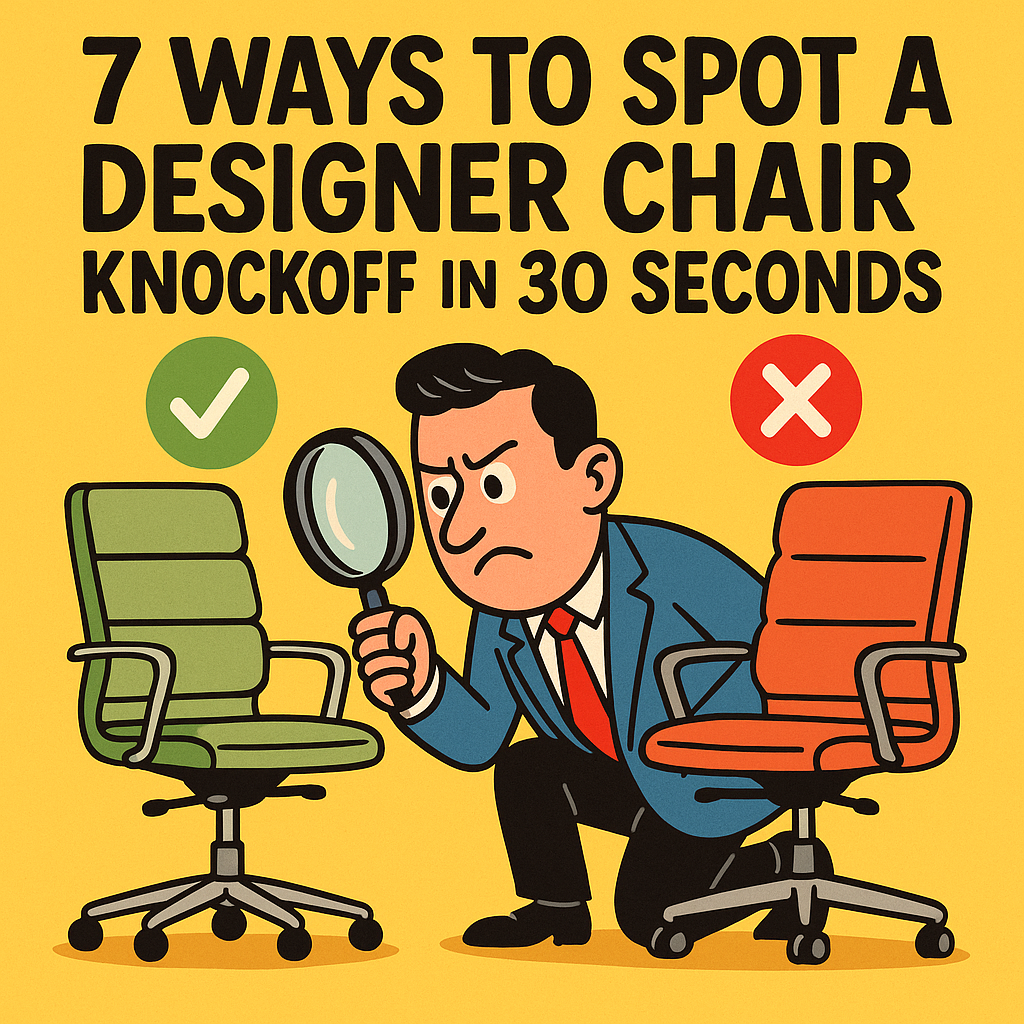
Unique Signatures: Look closely at the metal or plastic housing of the castor. Do you see a tiny, etched logo? Does the wheel itself have a unique tread pattern or shape? World-class brands protect their intellectual property and reputation by subtly branding even the smallest components. A genuine Knoll Life or a Humanscale product will have unique design identifiers on the base and casters that are impossible to replicate cheaply without attracting legal action. These small, stamped markings are like a secret handshake, confirming the chair’s authentic, premium origin. A truly great castor is not just functional; it’s an extension of the chair’s original design philosophy.
4. The Refurbishing Factor: Our Quality Guarantee
This is perhaps the biggest reveal of all, and it brings us back to what we do best. The castor is the part of the chair that takes the most pounding. It deals with abrasive floors, spilled coffee, loose paper clips, and the weight of a person moving constantly. It’s the first thing to wear out and, sadly, the part most neglected by the original owner.
For us, the condition of the casters upon arrival tells us everything about the chair’s past life. But more importantly, the quality of the casters after we’ve worked our magic proves its worth for the next chapter.
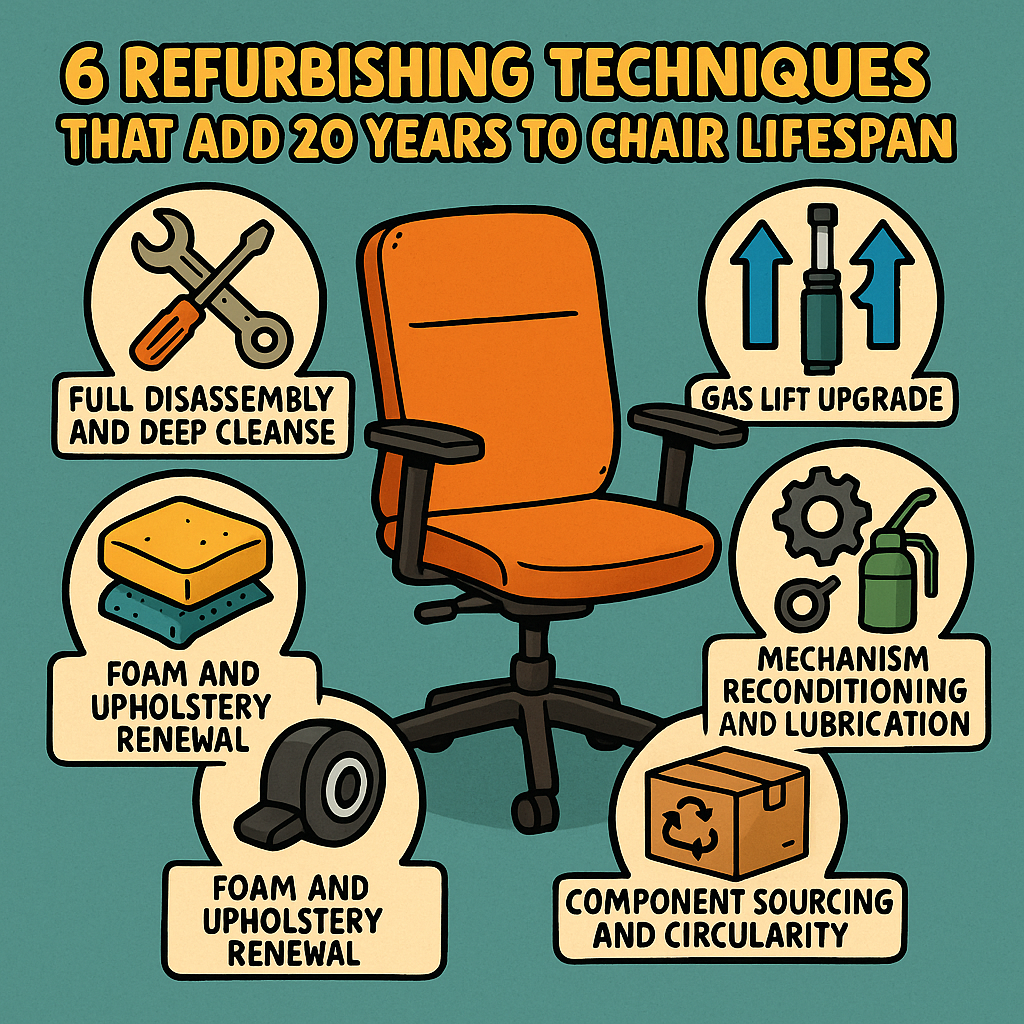
When we refurbish a chair, whether it’s giving a new lease of life to a dynamic Humanscale Freedom High Back or ensuring a classic model can last another two decades, we meticulously inspect and replace the casters. We don’t just slap on any old wheel; we fit them with high-grade, floor-appropriate castors that meet the original manufacturer’s exacting standards. This commitment to the small details is what transforms a second-hand chair into a ‘like-new’ ergonomic powerhouse, ready to roll smoothly into your workspace.
By investing in refurbished premium furniture, you aren’t just saving money; you are participating in the vital circular economy, extending the lifespan of these beautifully engineered products and keeping waste out of landfill. This approach to reusing high-quality components and materials is becoming an increasingly important business consideration, as noted in recent analyses of modern workplace design trends, which highlights the move towards “circular materials” and conscious consumption (see: Sustainable office design trends to tap into).
It’s all about longevity. A genuine premium chair is designed to last, and with quality refurbishing, those tiny, tireless wheels can continue to carry the weight of your working day for years to come.
Tally Ho!
So there you have it. The humble wheel, often overlooked, is the canary in the coal mine for chair quality. Whether it’s the robust build of a RH Logic 400 or the silent glide of a re-wheeled Eames, pay attention to the parts that roll.
Don’t settle for a chair that sounds like a collapsing shed every time you move. Choose quality, choose silence, and choose refurbished brilliance. You’ll be chuffed you did.